Select a Scene
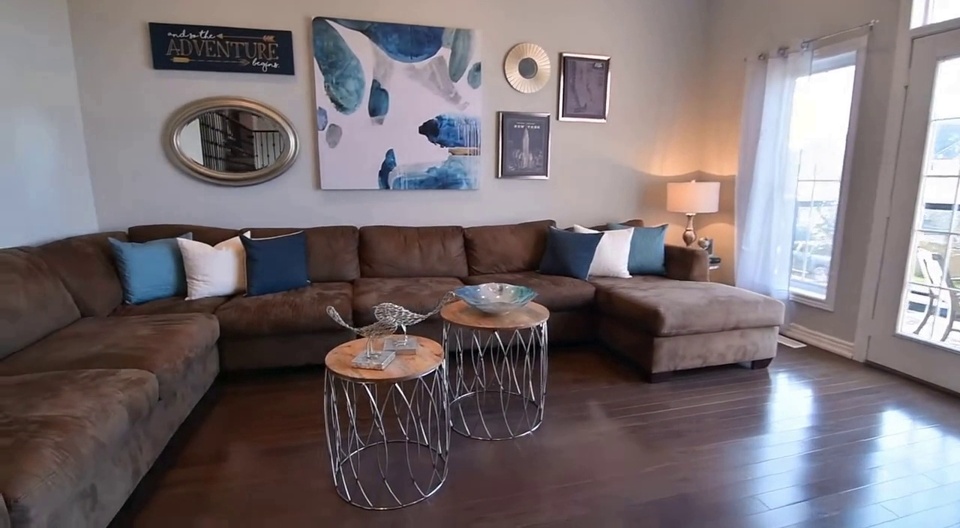
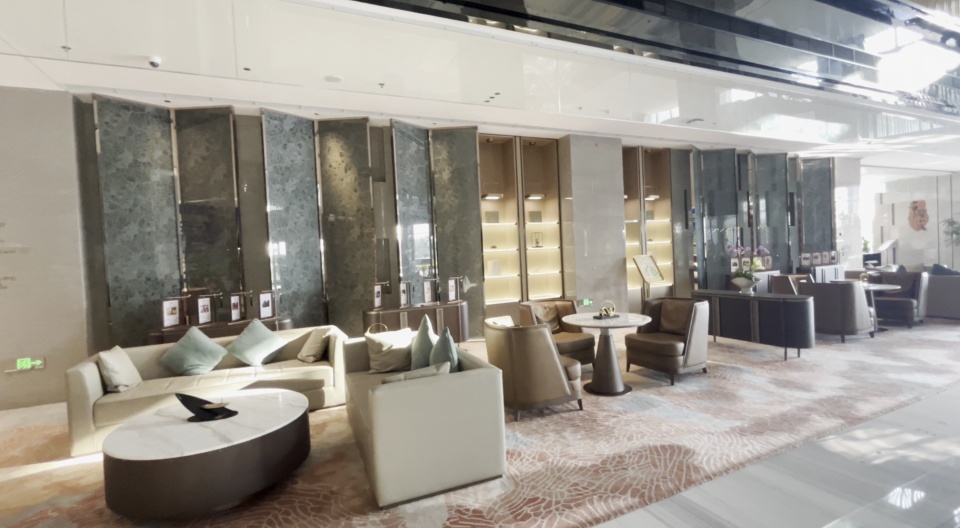
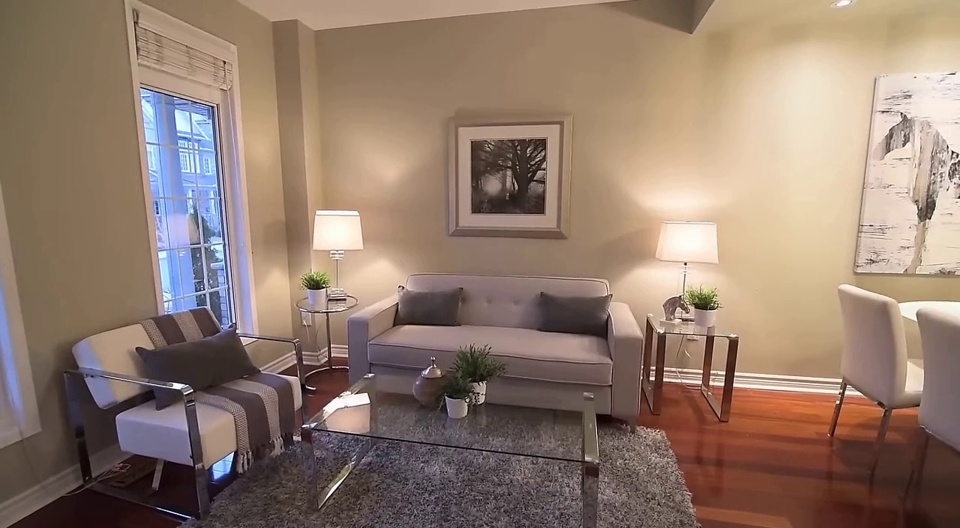
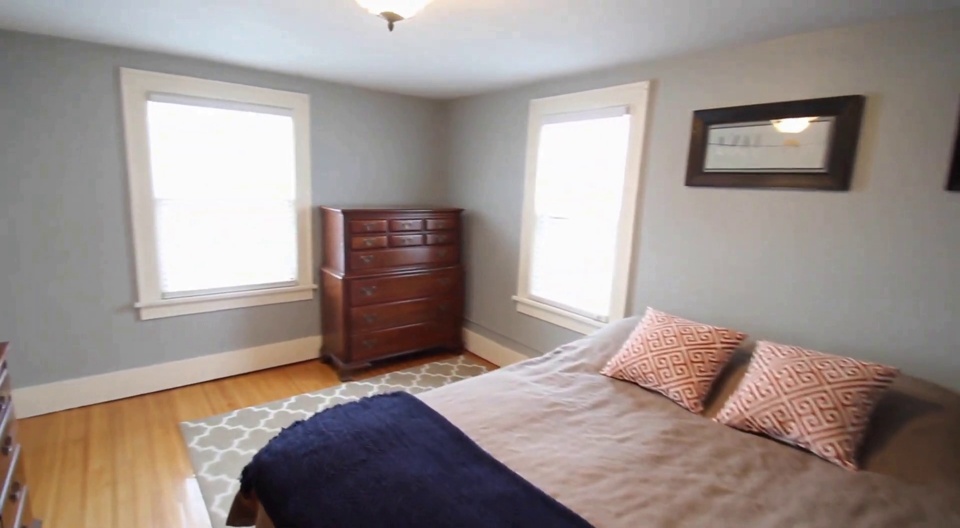
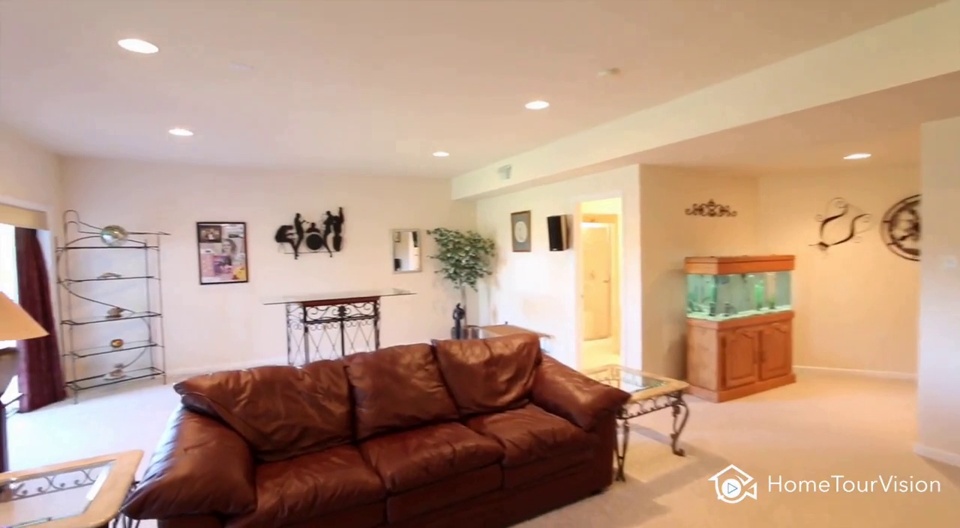
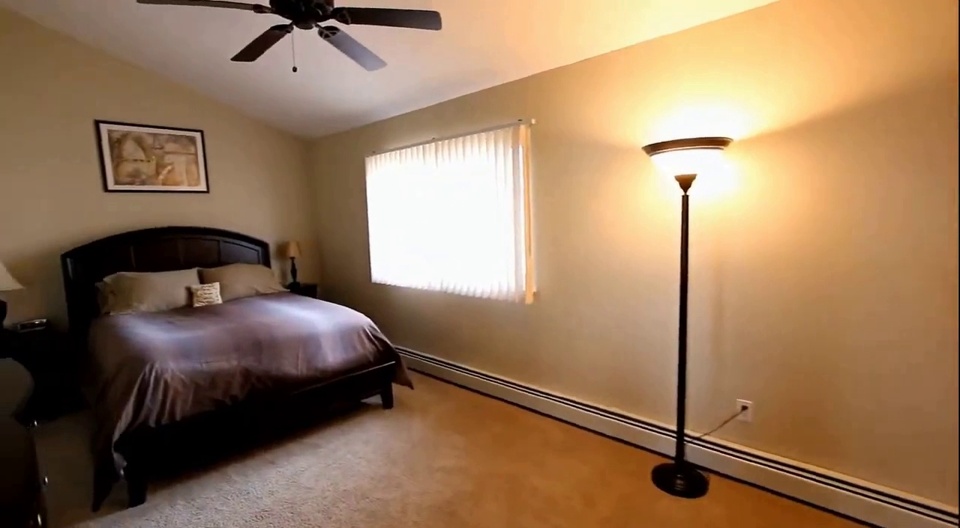
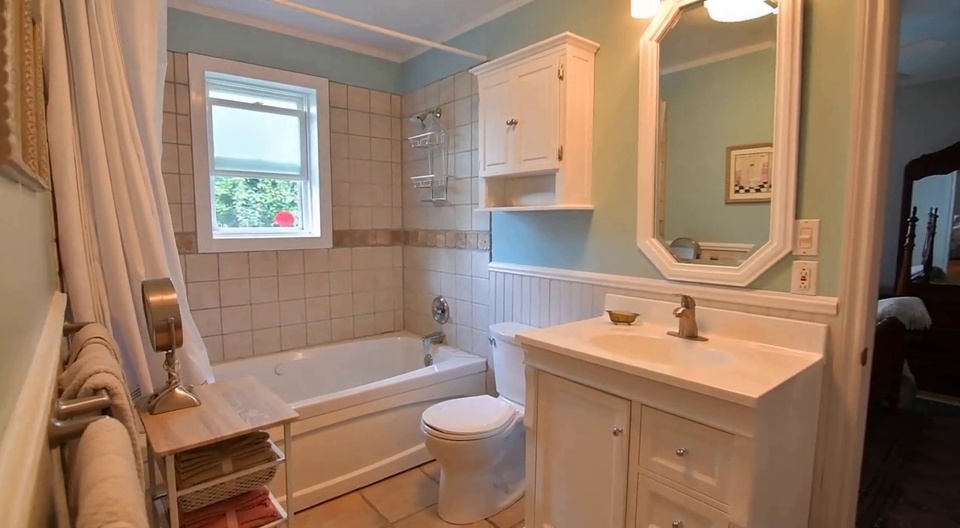
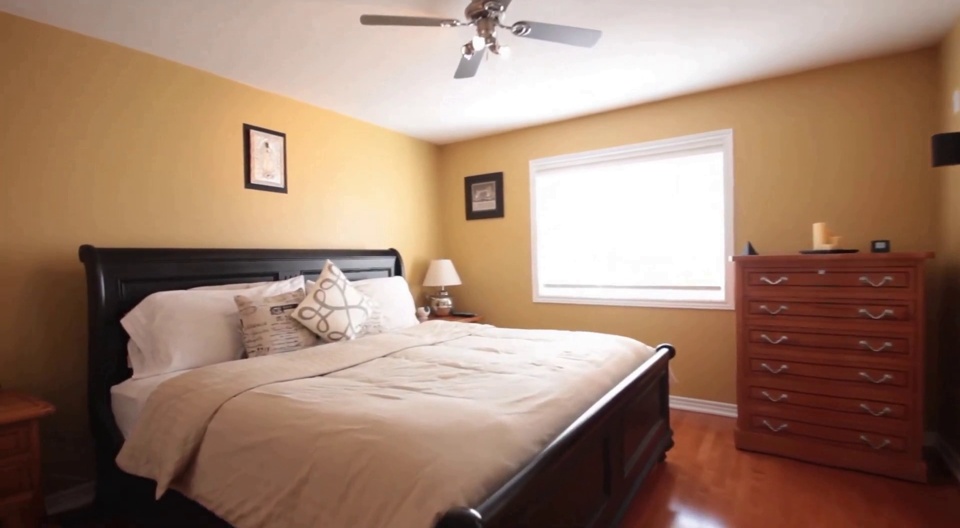
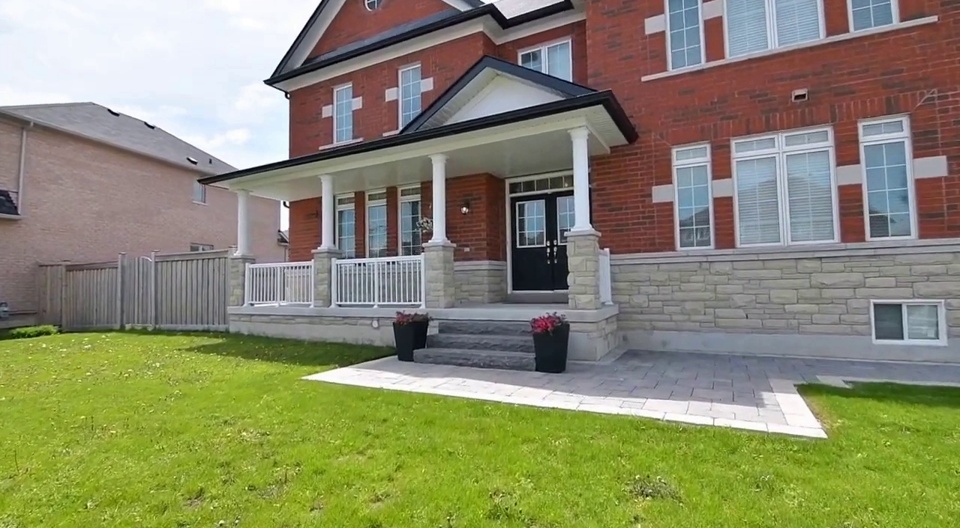
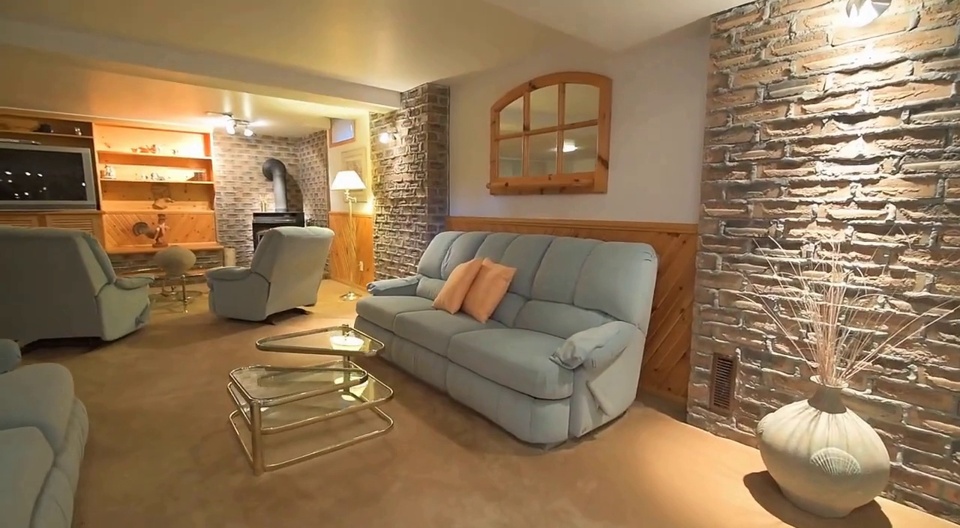
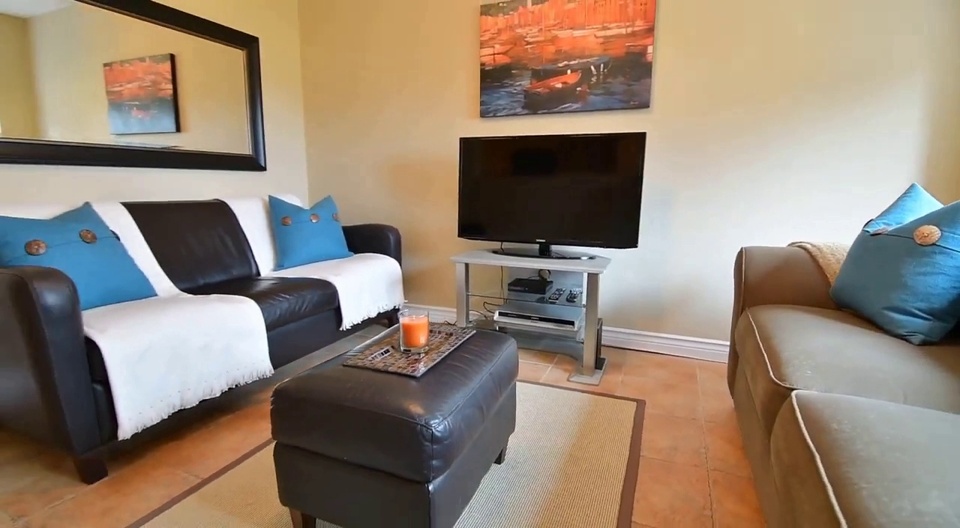
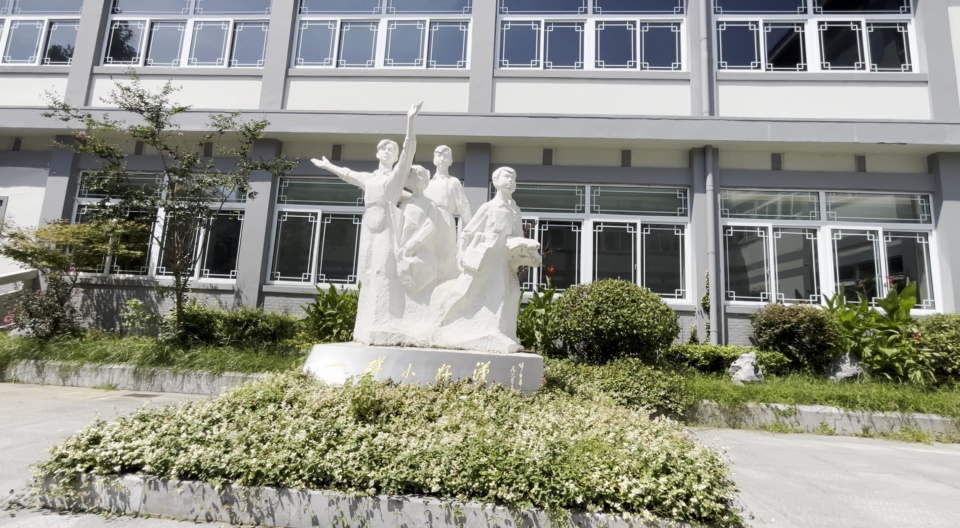
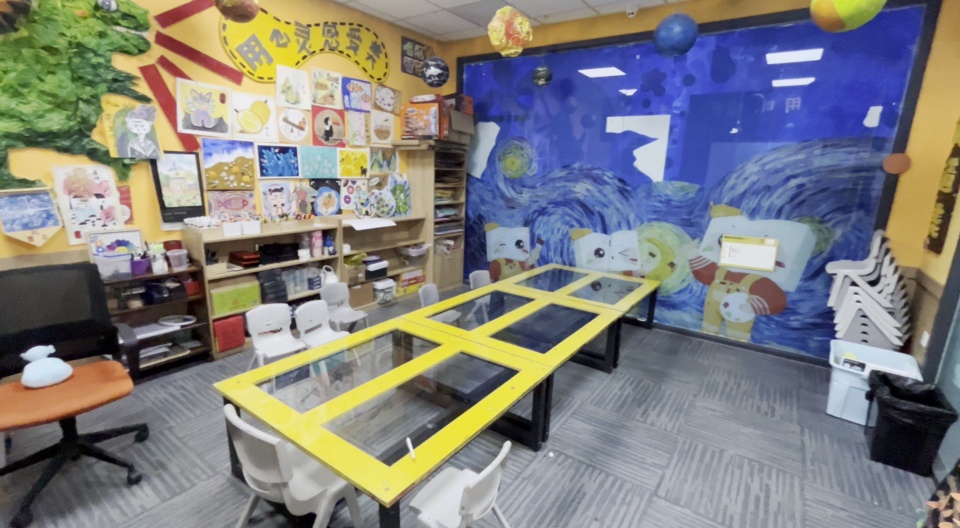

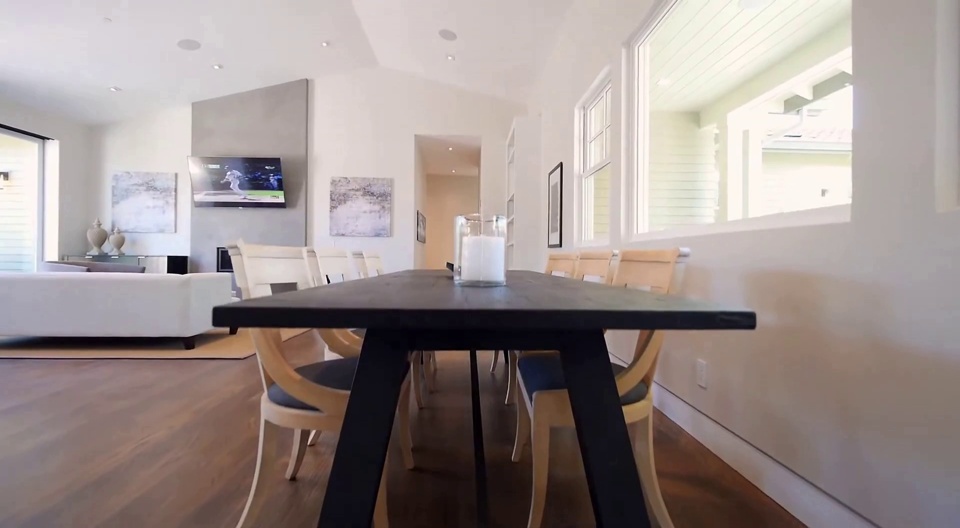
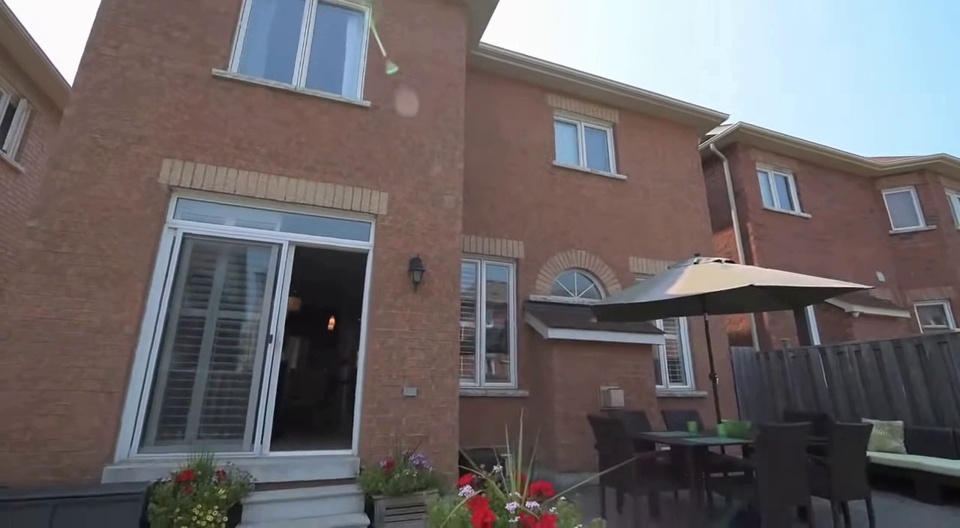
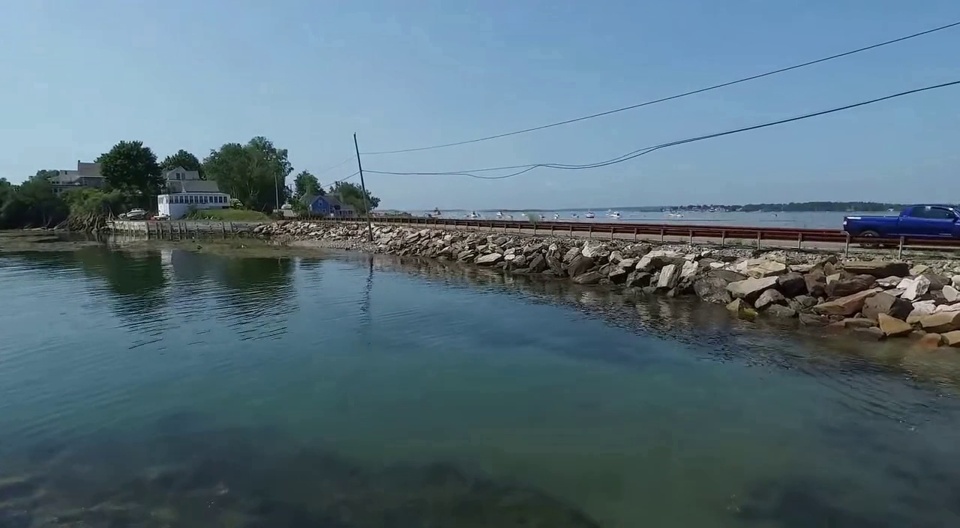
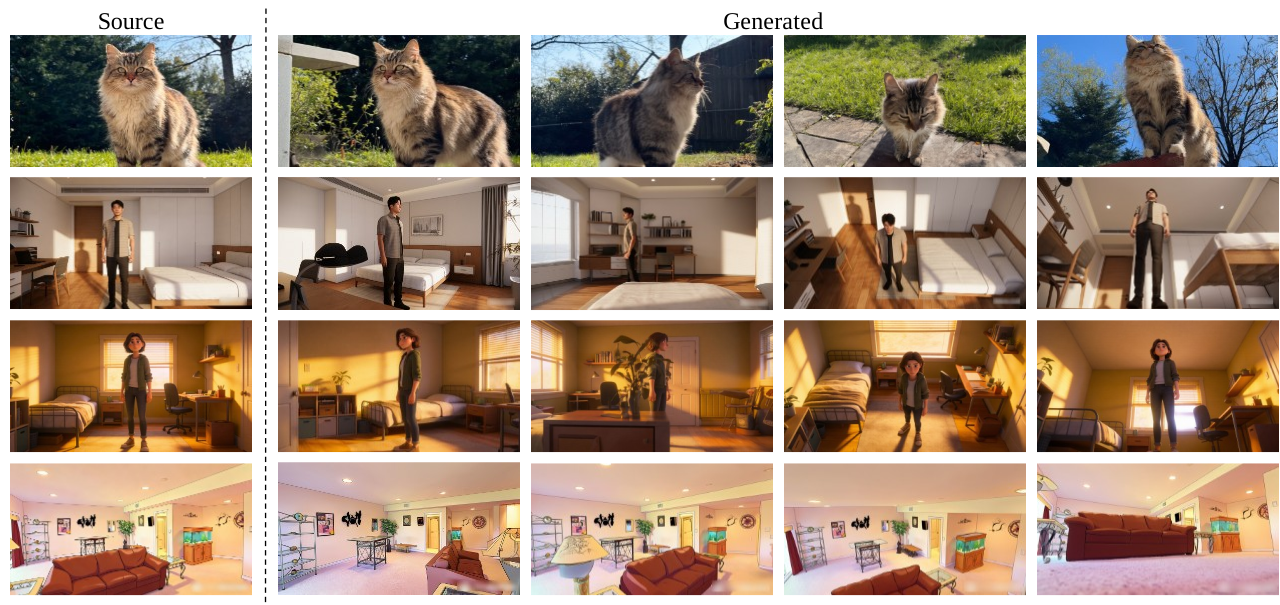
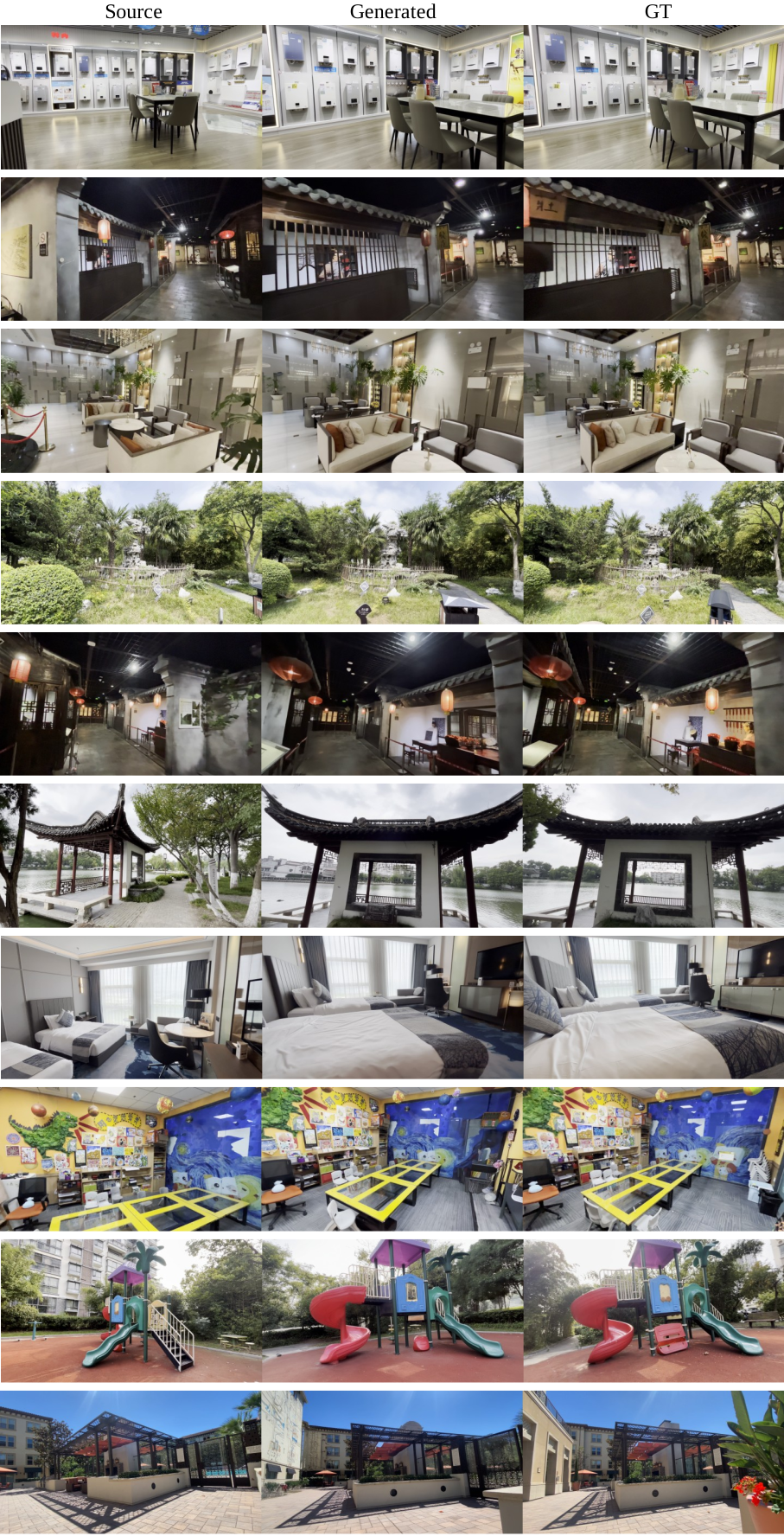
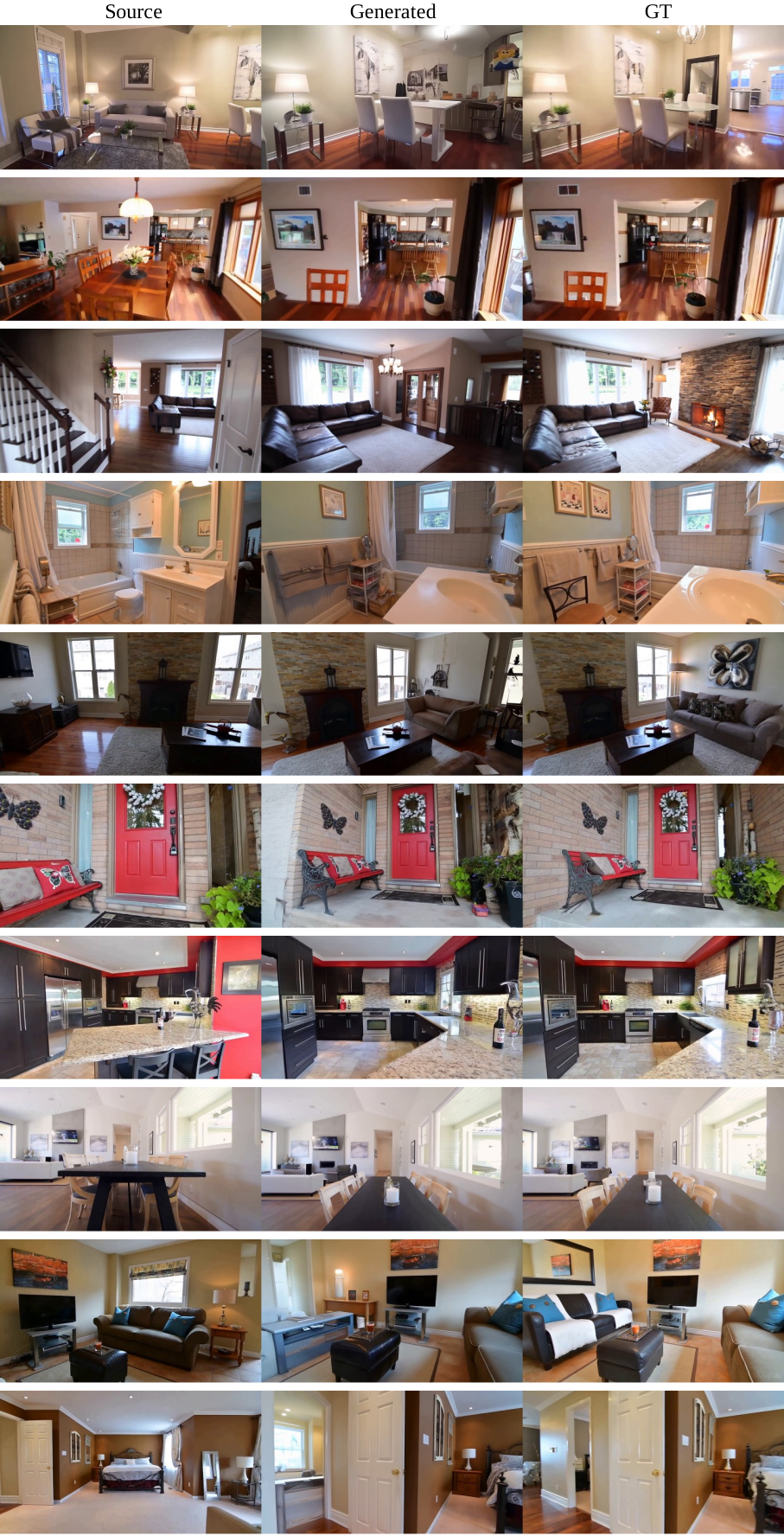
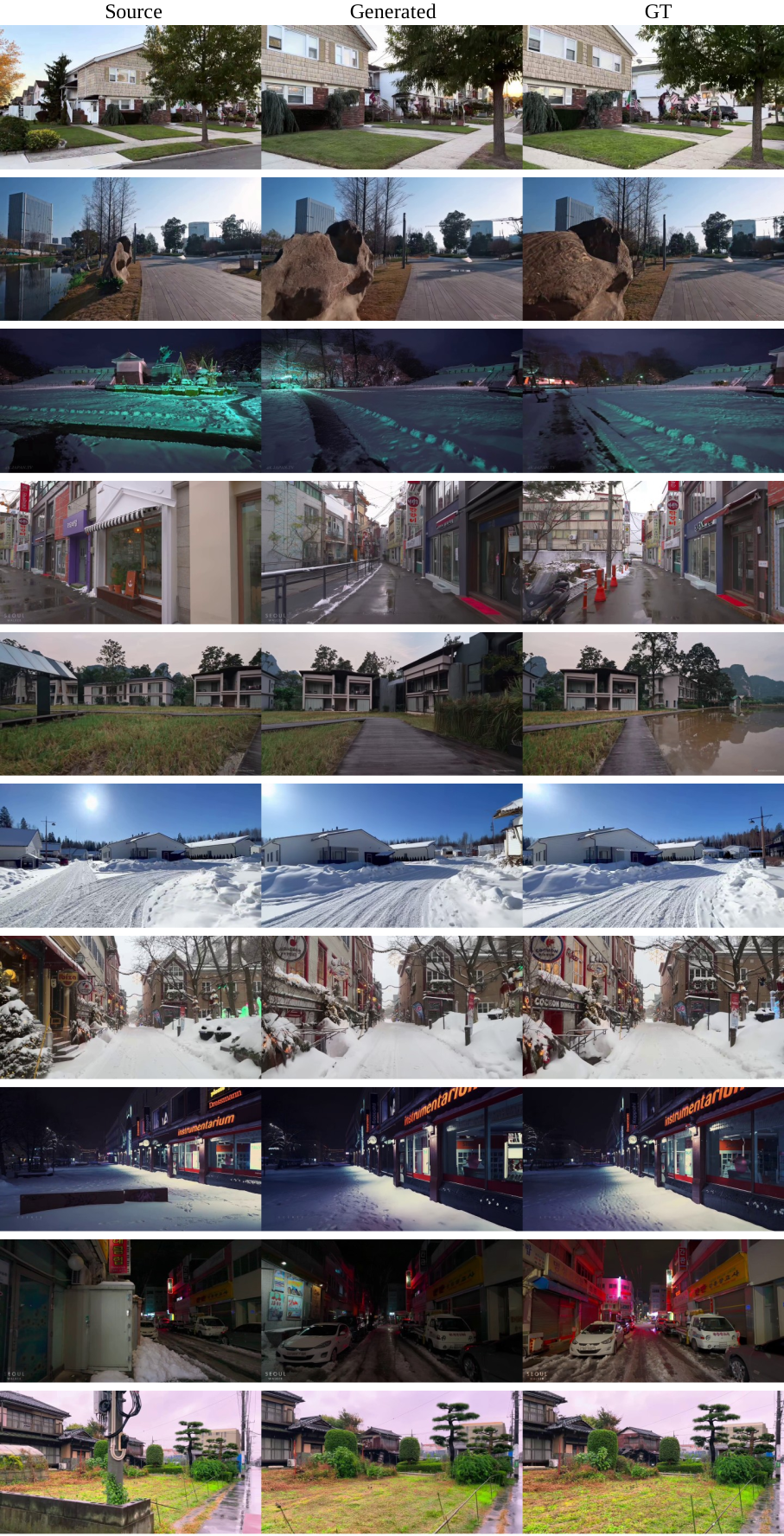
Source View
Generated Novel View
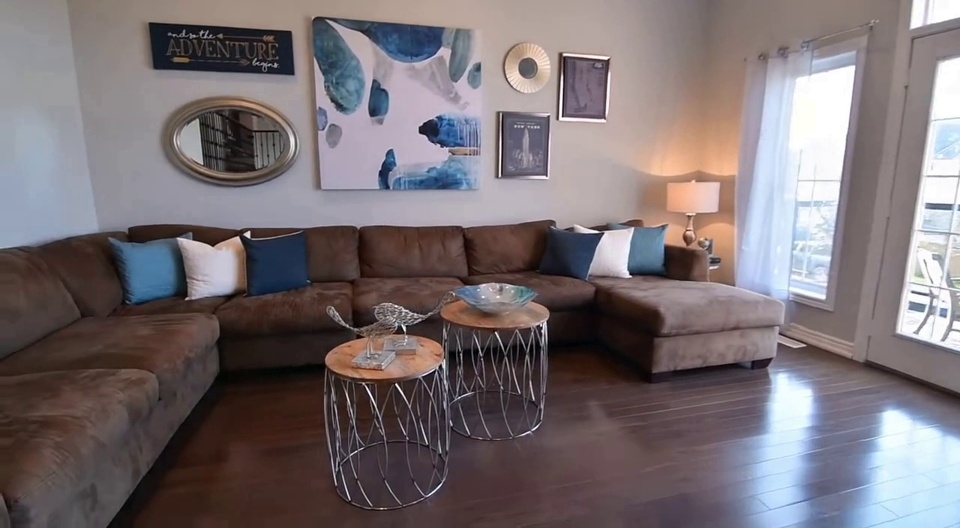
Spherical Poses Control
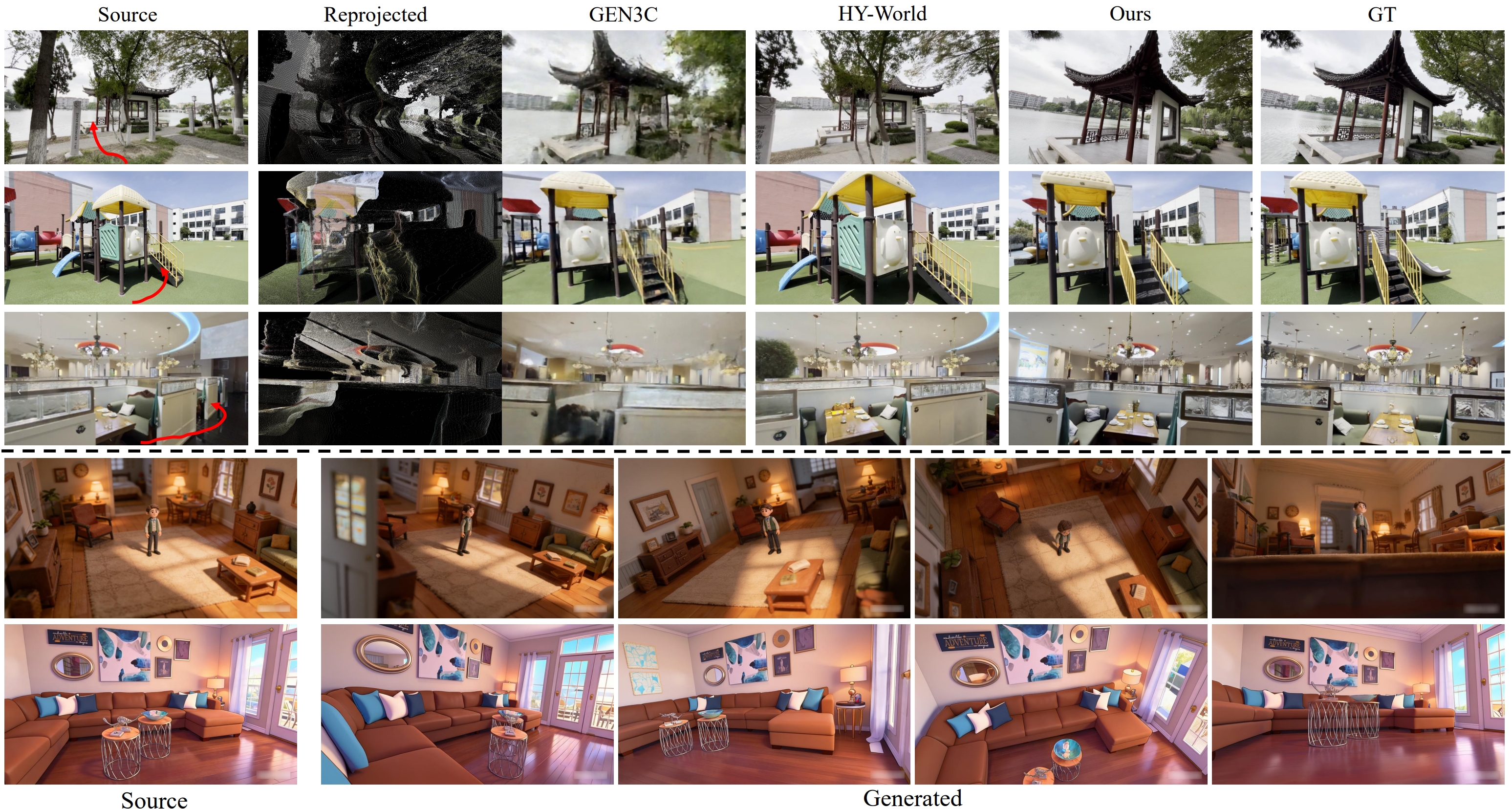
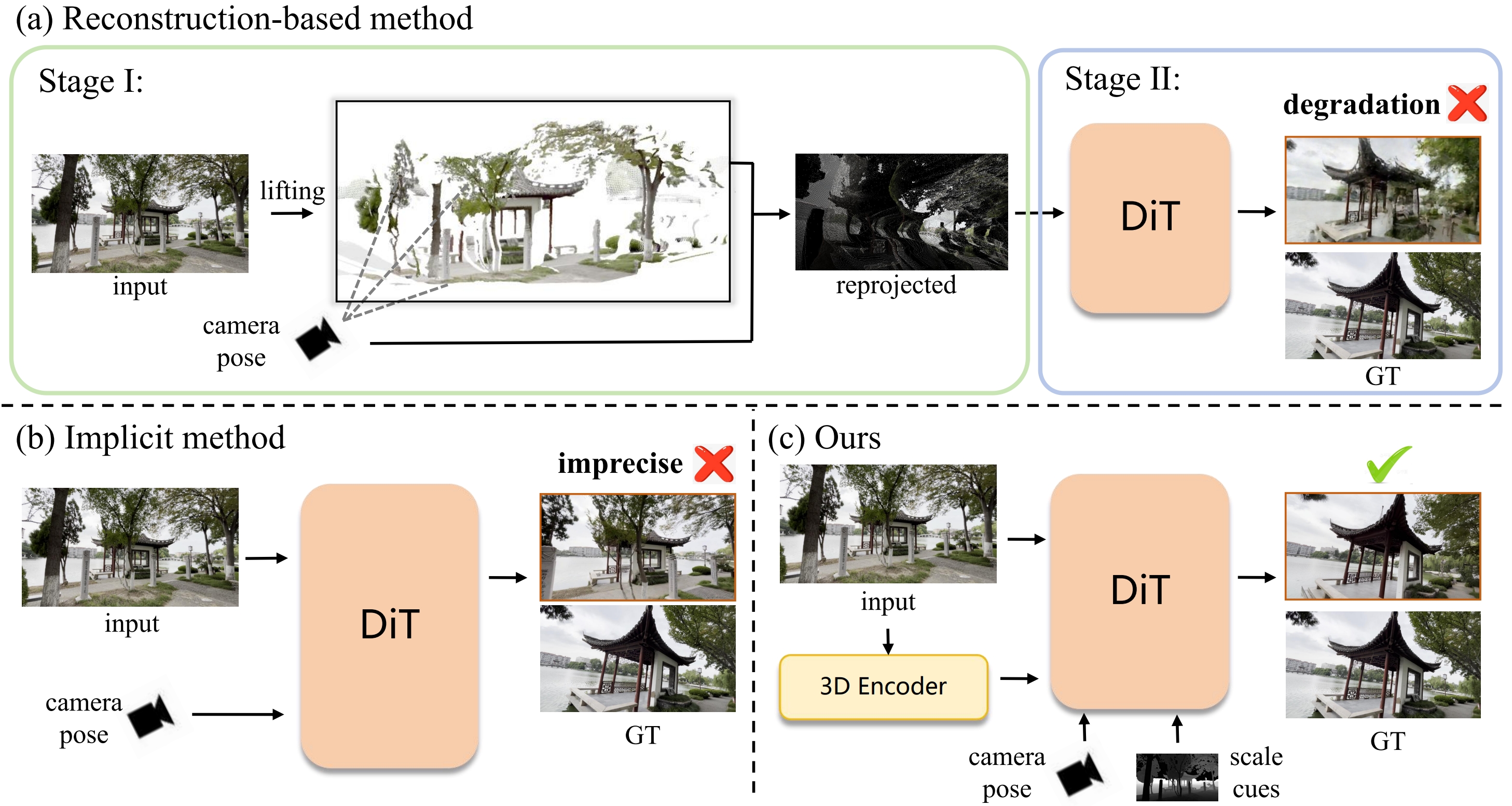
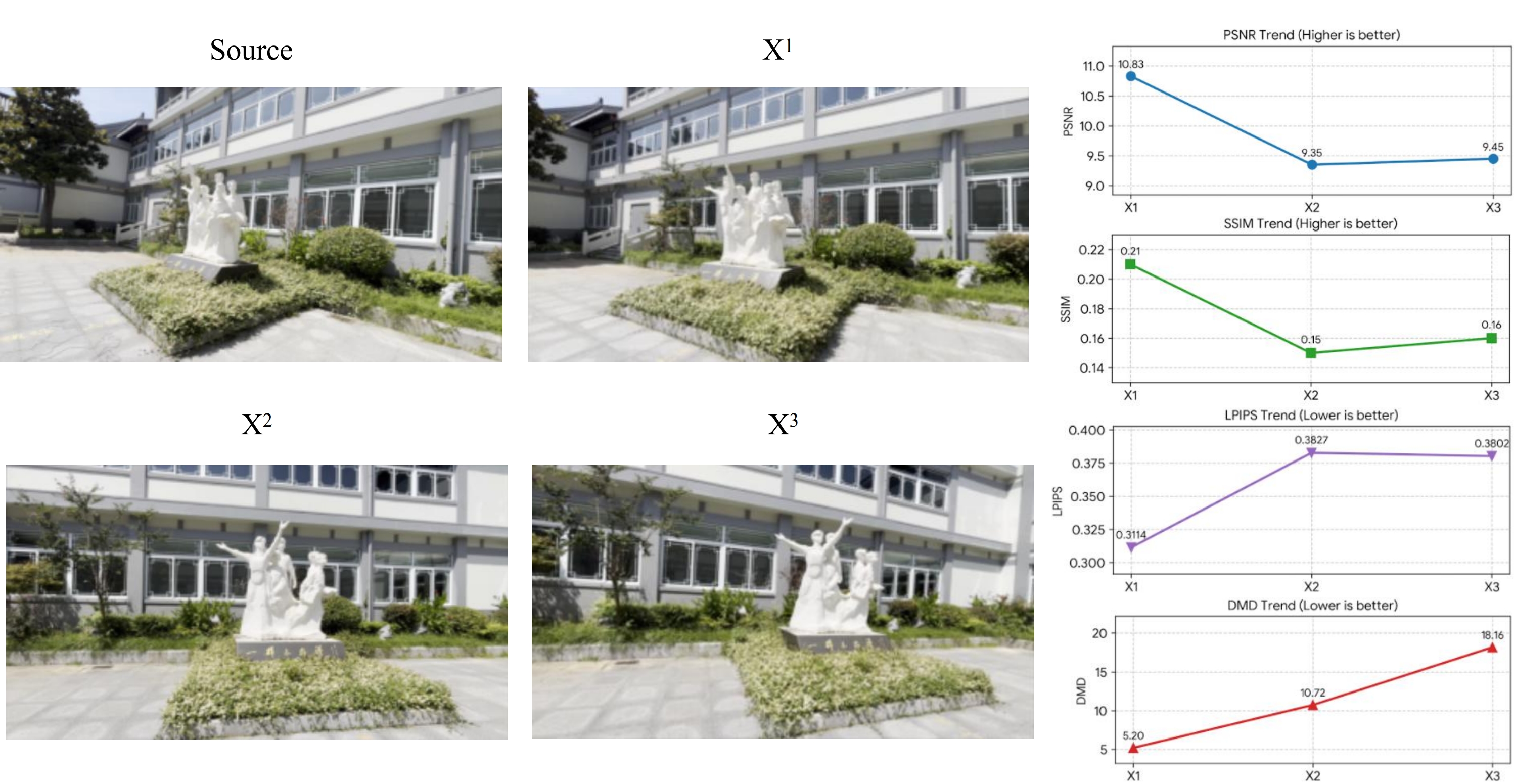
Current visual generation models are capable of producing high-quality content, yet they lack a coherent perception of the spatial structure. Existing generative novel view synthesis methods typically introduce explicit geometry priors, which enforce spatial consistency but inherently restrict generalization in large view changes. In contrast, recent interactive generative methods favor implicit scene modeling, offering greater flexibility at the cost of precise camera control and geometry consistency. In this work, we propose MetaView, a diffusion-based monocular novel view synthesis framework that enables rendering under large view changes from a single image. Our key insight is to combine implicit geometry modeling with minimal yet essential explicit 3D cues: we incorporate implicit geometry priors from a feed-forward geometry perception network to regularize structure without imposing restrictive reconstruction pipelines, while leveraging metric depth to anchor the generation to a metric scale. This design allows MetaView to achieve both geometry consistency and precise controllability. Extensive experiments demonstrate that, under challenging monocular large viewpoint changes, MetaView significantly outperforms existing methods and exhibits superior generalization.
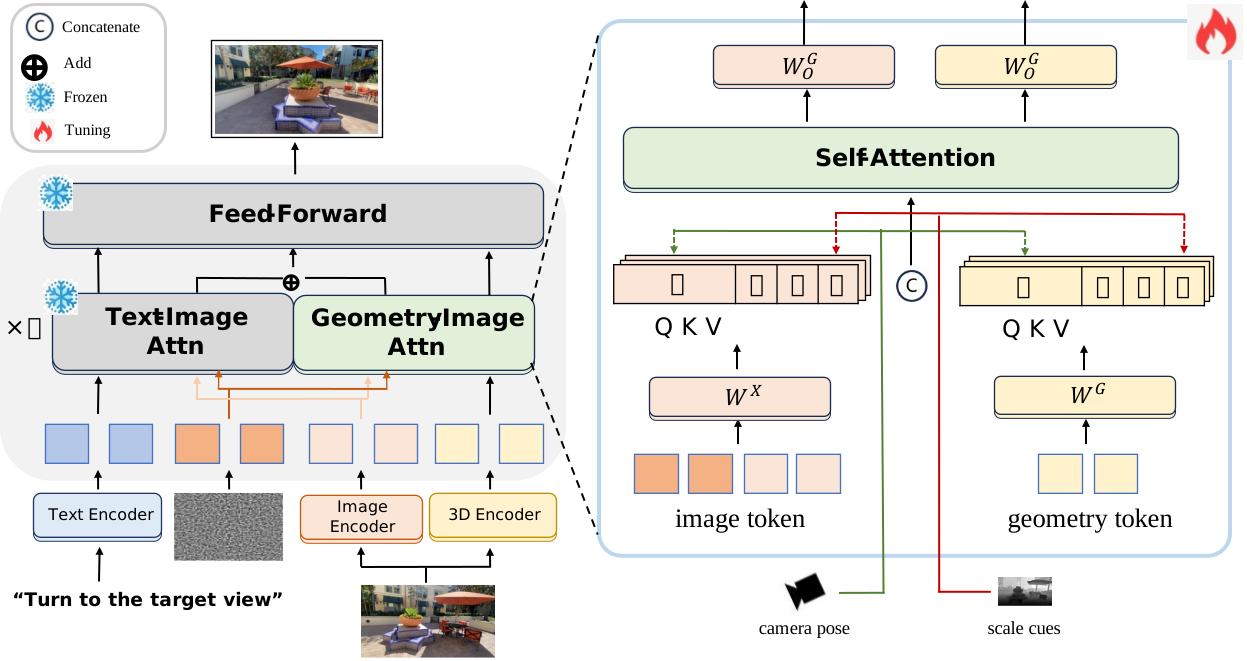
MetaView is built upon the MM-DiT architecture, which integrates the implicit geometry priors by adding a split stream in the DiT. We fuse geometry priors through self-attention mechanism, while injecting scale cues via a modified spatial-aware RoPE to address the scale drifting issue.
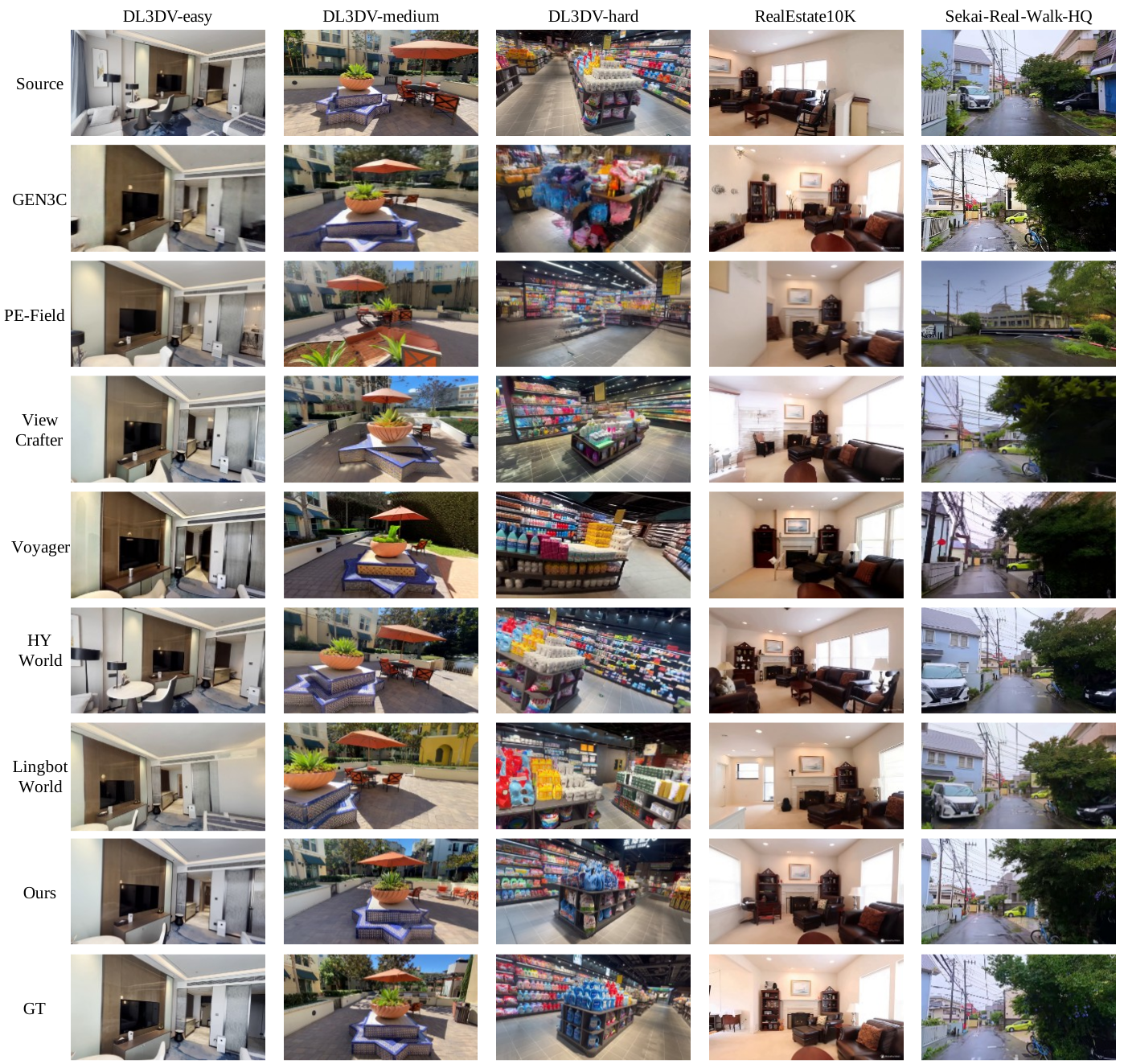
| Method | DL3DV | RealEstate10K | Sekai-Real-Walk-HQ | |||||||||
|---|---|---|---|---|---|---|---|---|---|---|---|---|
| PSNR ↑ | SSIM ↑ | LPIPS ↓ | DMD ↓ | PSNR ↑ | SSIM ↑ | LPIPS ↓ | DMD ↓ | PSNR ↑ | SSIM ↑ | LPIPS ↓ | DMD ↓ | |
| ViewCrafter | 13.44 | 0.3861 | 0.2664 | 27.34 | 13.16 | 0.4994 | 0.2597 | 10.92 | 17.93 | 0.4388 | 0.3068 | 15.73 |
| GEN3C | 13.78 | 0.3952 | 0.2536 | 20.01 | 14.07 | 0.5162 | 0.2306 | 9.01 | 16.56 | 0.4659 | 0.2568 | 8.72 |
| Voyager | 13.29 | 0.3694 | 0.2959 | 30.12 | 14.55 | 0.5170 | 0.2519 | 12.95 | 16.24 | 0.4402 | 0.3205 | 19.07 |
| PE-Field | 13.39 | 0.3607 | 0.2719 | 21.93 | 14.51 | 0.5191 | 0.2354 | 14.81 | 15.74 | 0.4418 | 0.2900 | 19.35 |
| HY-World-1.5 | 11.44 | 0.3105 | 0.3243 | 22.51 | 12.34 | 0.4466 | 0.3040 | 13.91 | 15.04 | 0.4088 | 0.3240 | 14.62 |
| Lingbot-World | 11.65 | 0.3141 | 0.3220 | 35.32 | 12.26 | 0.4554 | 0.3026 | 24.51 | 14.52 | 0.3973 | 0.3258 | 18.71 |
| Ours | 15.18 | 0.4456 | 0.2137 | 10.29 | 15.27 | 0.5705 | 0.1980 | 6.44 | 17.72 | 0.5047 | 0.2333 | 6.69 |
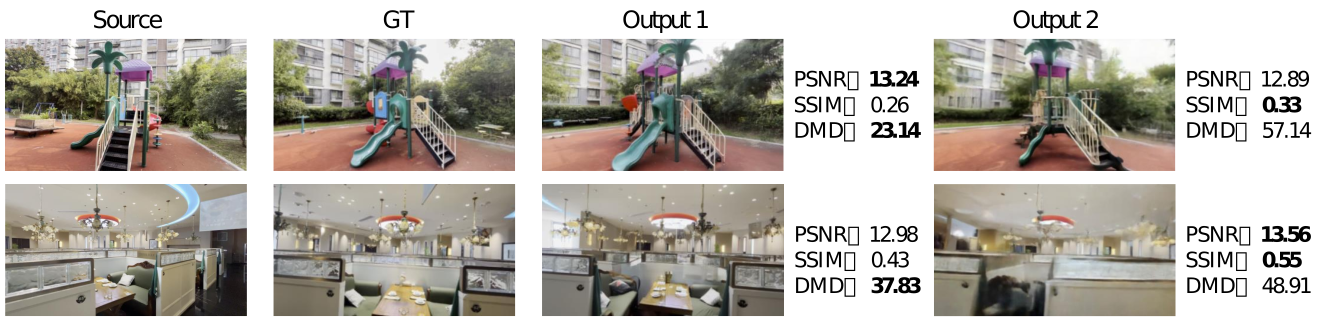
To facilitate a faithful evaluation of NVS under extreme variations, we introduce Dense Matching Distance (DMD). Low-level metrics (PSNR, SSIM) often fail in extrapolative scenarios, incorrectly favoring blurry artifacts due to low-frequency structural alignment. DMD, however, provides a more accurate assessment of spatial alignment and consistently aligns with human preference.
@article{cai2026metaview,
  title     = {MetaView: Monocular Novel View Synthesis with Scale-Aware Implicit Geometry Priors},
  author    = {Cai, Yufei and Niu, Xuesong and Lu, Hao and Gai, Kun and Wu, Kai and Lin, Guosheng},
  archivePrefix = {arXiv},
  eprint={2607.12000},
  year      = {2026}


}